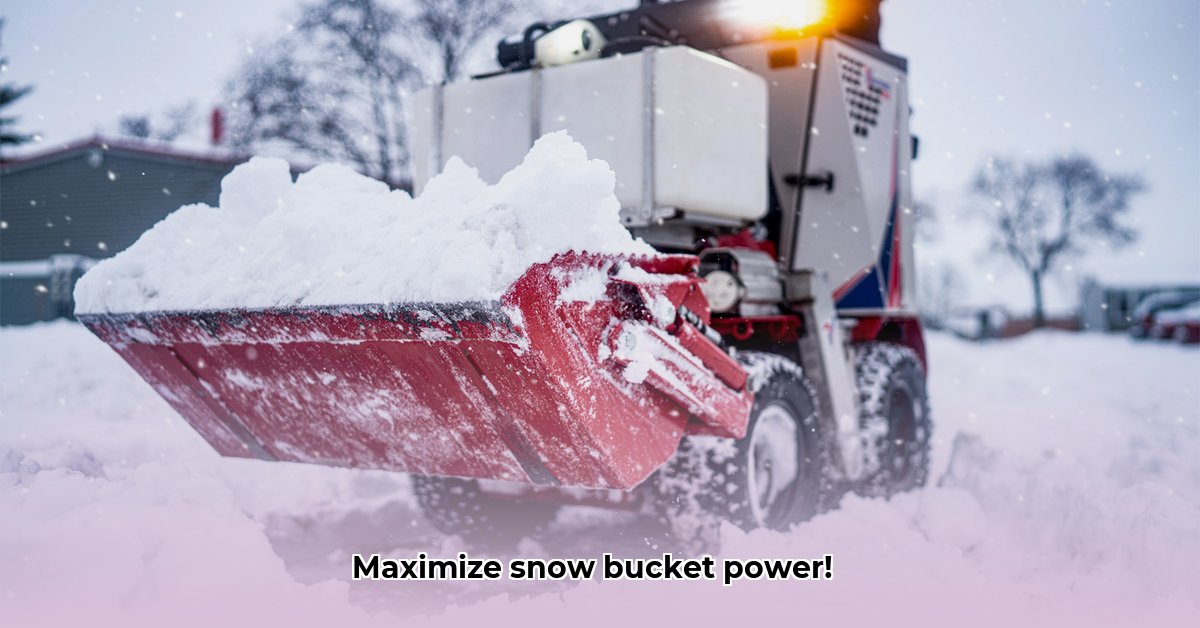
Choosing the Right Snow Bucket for Sustainable Snow Removal
Winter's arrival often brings significant challenges to farming operations. Efficient snow removal is crucial to maintaining productivity, yet traditional methods can be time-consuming and environmentally taxing. The use of tractor-mounted snow buckets offers a more efficient and potentially sustainable alternative. This guide explores the key factors to consider when selecting and utilizing a snow bucket, emphasizing both efficiency and environmental responsibility. For more options, check out these snow plow attachments.
Key Considerations for Snow Bucket Selection
Several critical factors influence the selection of an appropriate snow bucket for your tractor. These include:
Bucket Capacity: Larger buckets clear snow more quickly, ideal for extensive areas. Smaller buckets offer greater maneuverability in confined spaces. Consider the size of your operation and typical snowfall volumes. A larger bucket might not be the best option if you are navigating smaller areas or have less powerful tractors.
Bucket Design and Snow Type: Snow consistency greatly affects bucket performance. Buckets designed for heavy, wet snow differ from those suited for light, fluffy snow. Buckets with sharper cutting edges are better suited for hard-packed snow; a dull cutting edge will only push densely packed snow in front of the bucket, instead of scooping effectively.
Tractor Compatibility: Ensuring compatibility between the bucket's weight and attachment mechanism with your tractor's lifting capacity is paramount for safety and operational efficiency. Improper matching could cause equipment damage or create hazardous working conditions.
Durability and Longevity: Investing in a durable bucket, typically constructed from high-strength steel, minimizes the need for frequent repairs or replacements, resulting in long-term cost savings. Consider the materials used and the manufacturer's warranty.
Maintenance and Repair Accessibility: Buckets with simpler designs generally require less maintenance and offer easier repairs. The availability of replacement parts is also a key aspect to consider during your selection process.
Efficiency Gains and Cost Savings with Snow Buckets
Snow buckets significantly improve snow removal efficiency compared to manual labor or less efficient methods. This translates into reduced labor costs and quicker restoration of normal farm operations.
The use of a snow bucket may also lead to fuel efficiency gains. While tractor operation consumes fuel, it often proves more fuel-efficient per unit of snow cleared than alternative methods such as hiring additional manpower or utilizing less efficient equipment. A properly selected and efficiently used snow bucket can minimize fuel consumption by completing snow removal swiftly and effectively.
Environmental Considerations: Minimizing the Ecological Footprint
While tractors inherently produce emissions, responsible snow removal practices using a snow bucket can minimize the overall environmental impact. Efficient snow removal techniques which minimize the number of passes required often translate to lower fuel consumption and reduced emissions.
However, the manufacturing process of the bucket itself contributes to the overall environmental footprint. Steel production, a common material used in bucket manufacturing, involves a substantial carbon footprint. Therefore, considering buckets made from recycled materials or manufactured using sustainable practices would be advantageous. Furthermore, minimizing unnecessary snow removal to prevent soil erosion and habitat damage contributes to a more sustainable approach to snow removal.
Comparing Snow Bucket Options: A Comparative Analysis
The following table compares some common snow bucket options. Note that specific model variations significantly affect these characteristics.
| Feature | Heavy-Duty Steel Bucket | Lightweight Alloy Bucket | Recycled Material Bucket |
|---|---|---|---|
| Capacity | High | Medium | Medium |
| Durability | High | Moderate | Moderate |
| Weight | High | Low | Medium |
| Cost | High | Moderate | Moderate |
| Environmental Impact | Moderate (steel production) | Moderate (alloy production) | Lower (recycled materials) |
Actionable Steps for Sustainable Snow Removal
Assess Your Needs: Evaluate your property size, typical snowfall, budget, and tractor capabilities to determine the appropriate bucket size and features.
Research and Compare: Explore various models, compare specifications, manufacturer reputations, and customer reviews to make an informed decision. Consider the long-term costs of maintenance and repairs.
Prioritize Sustainability: Select a bucket that balances efficiency and environmental impact. Prioritize models made from recycled materials or manufactured using sustainable practices where possible.
Implement Efficient Techniques: Utilize efficient snow removal techniques to minimize the number of passes required, reducing fuel consumption and environmental impact.
Maintain Regular Maintenance: Regular cleaning and lubrication of your snow bucket prolongs its lifespan, enhances efficiency, and prevents premature wear-and-tear.
By carefully considering these factors and implementing responsible practices, you can optimize snow removal efficiency while minimizing your farm's environmental footprint. A productive and environmentally conscious winter is achievable with the right snow bucket and operating techniques.